Competing at Verdant
CrossFit as a sport follows a pretty interesting path. Eight to ten years ago most CrossFit gyms were being run out of garages and industrial warehouses and there really weren’t any chic upscale CrossFit gyms until a few years later, 2012 I think. CrossFit at its genesis was gritty, hardcore, and not for the faint of heart. Every gym had their own rules and even the way classes flowed varied gym to gym. Some of this still holds true today, probably a lot of it holds true, but one area where some gyms have really changed is the attitude towards competition.
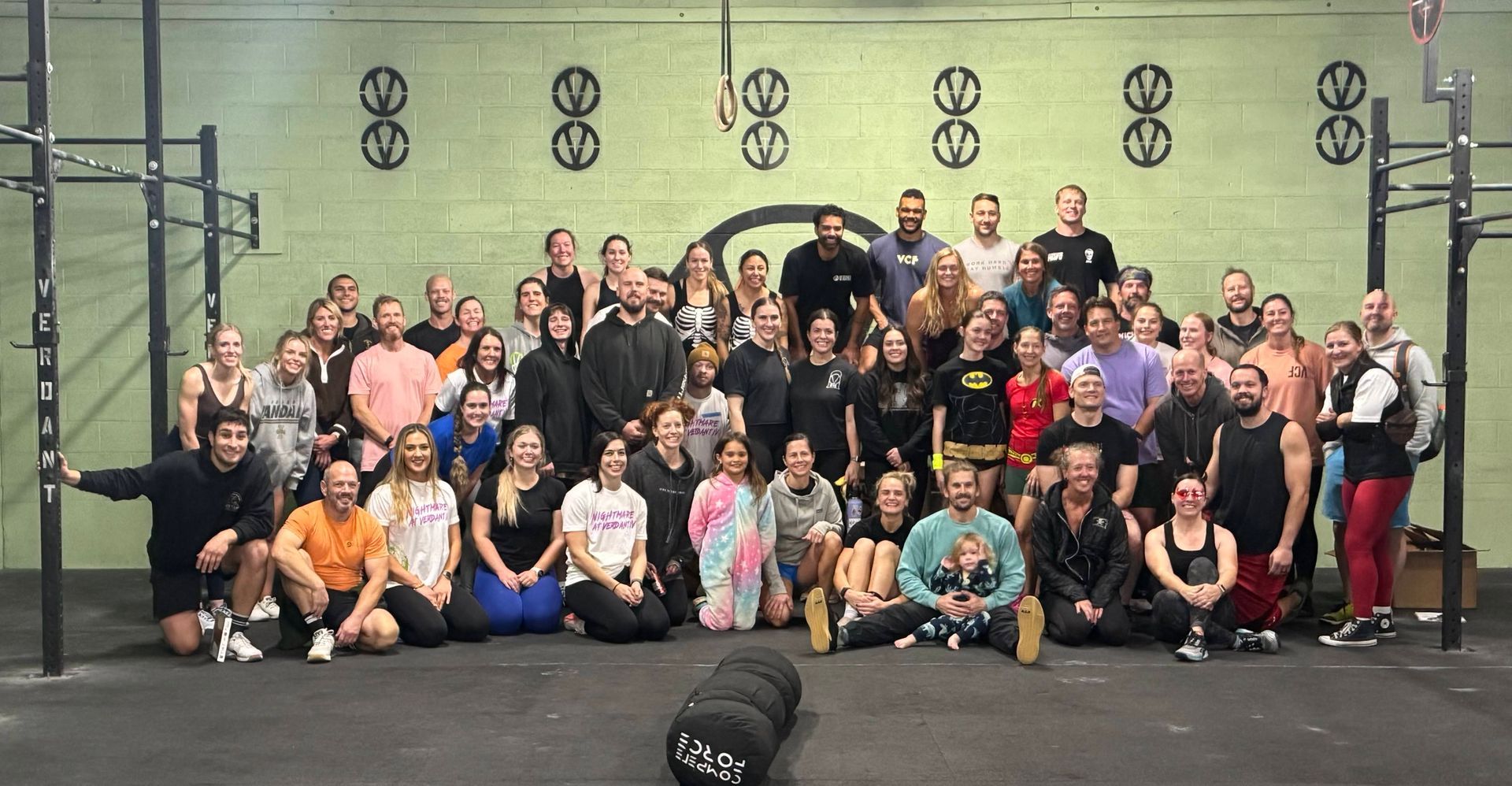
We have a very small CrossFit competitive crew at Verdant. That is by design. It isn’t meant to be overly accessible and there are a few reasons for that. The first is that competitive CrossFit isn’t something that most people should do. CrossFit and our classes are designed for promoting health and wellness. The second reason is tied to the first, the competitions have gotten really intense. Baseline metrics are MUCH higher than they used to be. For most people they are unattainable (which I think is good) and for others there is a risk of injury. The third reason our crew is small is because the competitive landscape has changed. It is not for weekend warriors anymore. I don’t think that people should have been casually competing in CrossFit anyhow, but now it’s really separated into a professional sport. I have a whole other article on the shifting CrossFit Games landscape. Also, to be realistically competitive you need to be able to devote a lot of time to the sport and casually coming in for an hour doesn’t work. The fourth and most important reason is that I am rigid, the culture I want is rigid, and it is largely uncompromising. No one is special and absolutely no one deserves anything. We all do the same programming because we are a team, there are variations, scales, progressions, and emphases for different individuals but we are a team and we do the same thing. We also have a “Fran Rule” and if you complain you do Fran.
Do our regular members do competitions? For the most part, no. That isn’t part of the culture of the gym. I sequester our competitors to times that are for competitors. That’s part of being competitive, you need to make sacrifices. If the only time you have is at 515pm you’re taking the class and you had better beat everyone or else what are we doing calling ourselves competitors. The emphasis at our gym is to get outside and hike, bike, camp, raft, kayak, or do snow sports on the weekends.
At the beginning of every competitive season we gather as a group, I go over the rules and parameters of what we do and what our culture is, and then we talk about our goals, our dreams, and the concrete dates ahead of us. That conversation is private but I believe it lays the foundation of what our culture is and what that season will be. Briefly, the culture that I keep referencing is very simple. It is important that every person on the team or in the competitive group is held to the same standard, no one is special. There is an expectation about smart food consumption and during meet prep there is an expectation that people will not consume alcohol. The primary reason is that it’s arguably the worst intoxicant to abuse during the competitive season as it dehydrates the athlete and dramatically affects at least one training day.
This sport is merit and performance based and best scores earn competitive spots on the highest teams. We have only ever had one tie and I had to make the unpleasant decision about who would represent our team at regionals. We have everyone arrange workout times and sessions on an open platform so that no one is left out and so no one works out alone. When issues between personnel arise the expectation is that the parties will address the issue within 24 hours. This last is a big one as these team experiences are unpleasant when all members don’t get along and bad chemistry begets poor athletic performance.
We don’t do fundraisers for our athletes. No one is special. Part of the initial conversation is that there is a financial cost to the competitive nature of semi-pro sports. Verdant pays registration fees for the top teams and in the past we have paid for flights and lodging for our national competitors. Just like the sport that sponsorship is merit based and there is an expectation that athletes are going to perform at the level they qualified for.
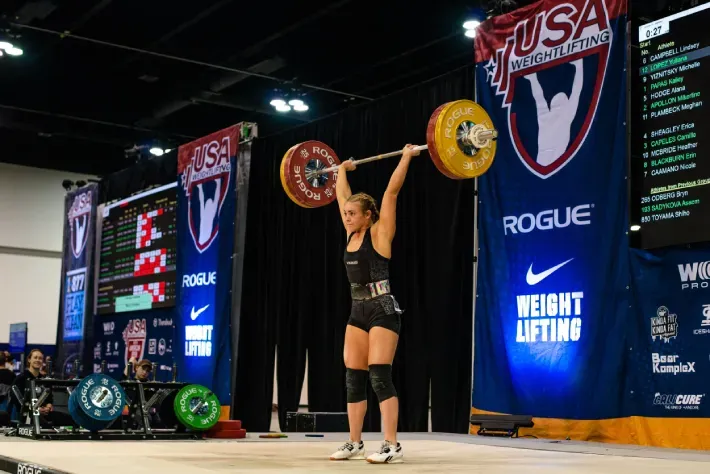
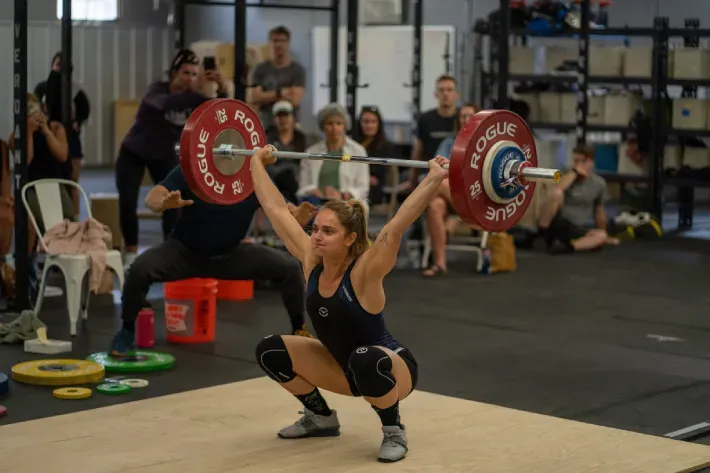
NB: I’m not talking about USAW in this article because it’s such a different thing. The culture is the same, but the attitude towards competition is different. Once an athlete is proficient at the snatch and clean and jerk a competition isn’t different physically than a training session so the risk of injury is very low.